7 things you should definitely know about ground ivy
Ground ivy is one of those inconspicuous herbs that you often walk past – without realizing the power within it.
And that's exactly what makes it so special.
Because it stands for something that many of us currently need:
Protection, clarity, and inner strength.
Ground Ivy – a small plant with a big impact
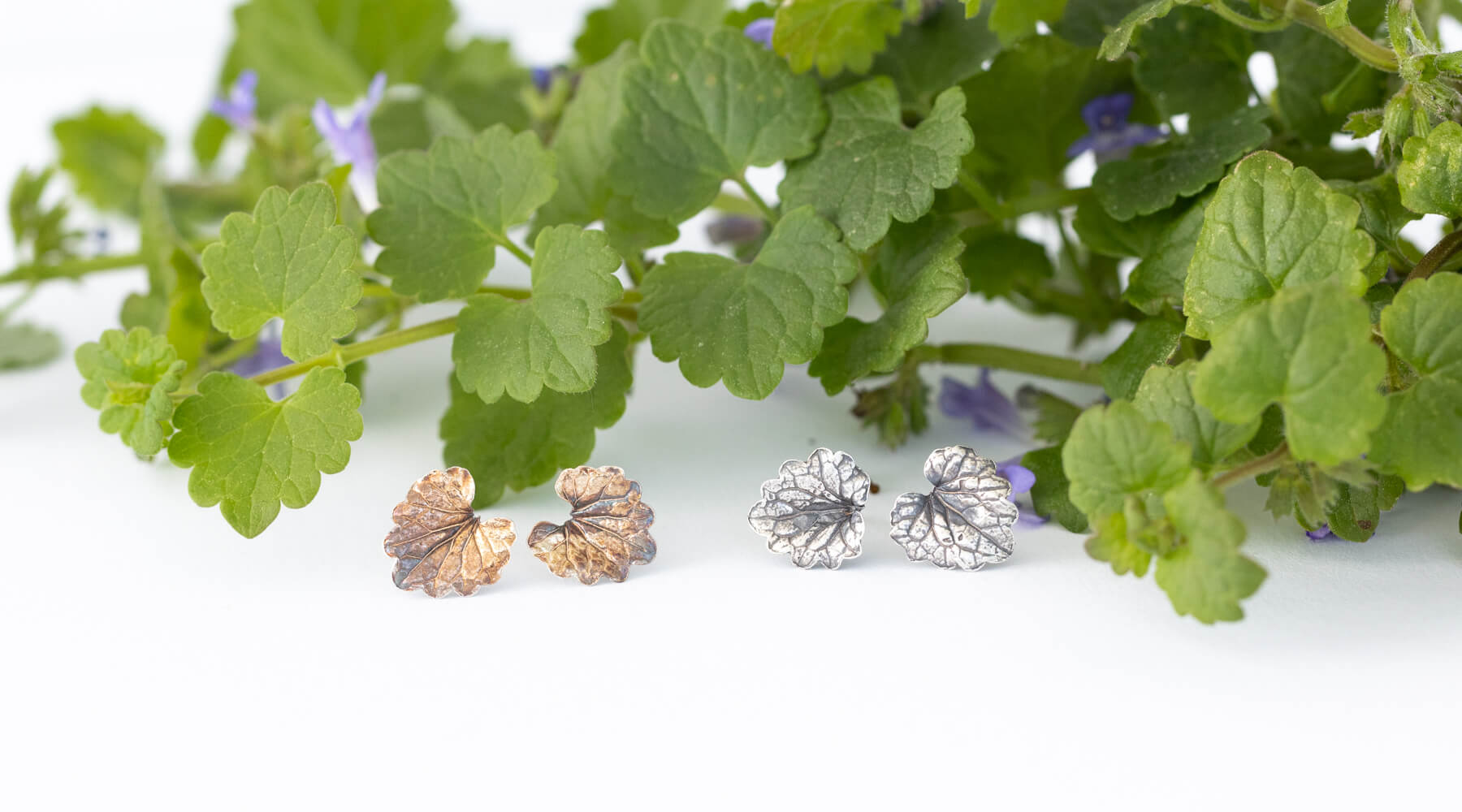
Ground ivy, botanically known as Glechoma hederacea, is a versatile medicinal plant that has been valued for centuries.
Its leaves contain valuable ingredients, including essential oils and bitter substances, which are known for their supportive properties.
Traditionally, ground ivy is used to strengthen the body and keep processes in balance. Among other things, the following effects are attributed to it:
- anti-inflammatory
- antibacterial
- antispasmodic
- strengthening for skin and respiratory tract
Thus, it is one of those plants that work quietly –
but in a very consistent and profound way.
My experience with ground ivy
Whenever I collect ground ivy, I am always struck by
how resilient this plant is.
It grows where others have long given up –
by the roadside, between stones, very quietly and naturally.
Without pushing itself into the foreground.
And yet full of power.
Exactly this characteristic makes it a very special symbol for me.
A symbol that strength does not have to be loud.
But often arises exactly where we simply keep going.

7 things you should know about ground ivy
If you delve deeper into ground ivy, you'll quickly realize:
This plant has been valued in traditional herbal medicine for a long time.
Even though I am not a naturopath myself, I am always fascinated by
how versatile ground ivy is used – especially in folk medicine.
The 7 most important properties of ground ivy:
- Supports skin regeneration
- Traditionally used for colds
- Contains essential oils
- Considered anti-inflammatory
- Has a long tradition in folk medicine
- Grows particularly resiliently
- Symbolically stands for inner strength


1. Skin Support
In traditional use, ground ivy is often applied externally – for example, in the form of ointments or compresses.
Its ingredients are associated with skin-soothing and regeneration-promoting properties.
This can be particularly beneficial for minor skin irritations or stressed skin.
2. Soothing for the respiratory tract
Ground ivy is also used internally – often as a tea or tincture.
It is said to support the respiratory tract and be helpful for cold symptoms such as coughs or runny noses.
Many appreciate it especially in the colder season, when the body can use additional support.

3. Traditionally used as an anti-inflammatory
The essential oils and bitter substances contained in ground ivy are associated with anti-inflammatory properties in herbal medicine.
This makes it a plant traditionally used in various areas – both externally and internally.

4. A plant with history
Ground ivy is one of the classic herbs of European folk medicine.
For centuries it has been collected and used – a sign of
the importance attributed to it over generations.
5. Grows where others don't
What always impresses me personally:
Ground ivy grows in places that are often inconspicuous –
by the roadside, between stones, in the shade.
And it is precisely there that it unfolds its power.

6. A quiet but powerful symbol
This resilience makes it a special symbol for me.
Not loud.
Not conspicuous.
But enduring.
7. Connection of nature and mindfulness
Engaging with plants like ground ivy often also means
looking more closely again.
Perceiving what is otherwise easily overlooked.
And precisely therein lies a special quality for many.

Why ground ivy is more than just a medicinal herb
Ground ivy is a plant that works quietly –
in nature as well as in its meaning.
Whether as part of traditional applications or as a symbol:
It stands for persistence, inner strength, and the ability
to grow even under difficult conditions.
Frequently Asked Questions about Ground Ivy
What does ground ivy symbolize?
Ground ivy symbolically stands for protection, inner strength, and clarity. Because it also grows in inconspicuous and difficult places, it is often associated with resilience, persistence, and quiet strength.
What is ground ivy traditionally used for?
In traditional herbal medicine, ground ivy is used in many ways – for example, externally for the skin or internally as a tea for cold symptoms. However, its use does not replace medical advice, especially for ailments, pregnancy, or uncertainties.
Why is ground ivy a special medicinal herb?
Ground ivy is a special medicinal herb because it has been valued for centuries and contains essential oils, bitter substances, and tannins. For me, it is also a beautiful symbol that strength often grows quietly and unnoticeably.
About the author
I am Gudrun Stolz, a jewelry artist from Austria,
and I work in my workshop with real leaves and plants.
From collecting in nature to the finished piece of jewelry, everything is handmade.
Many of the plants I write about directly accompany me –
not only as material, but also in their meaning.
Because I believe:
Nature often holds exactly the strength we sometimes lack in everyday life.

Written by Gudrun Stolz